




















Key Takeaways for Custom Shopify Store Design
Shopify’s scalability, flexibility, and built-in features like inventory management, POS systems, and multi-currency support make it perfect for retail businesses. Opal Infotech leverages these features to help businesses grow effectively online.
Custom designs offer improved performance, user engagement, and conversions. Opal Infotech crafts tailored Shopify designs that align with your retail goals and optimize customer experiences for higher sales.
With mobile traffic dominating, Opal Infotech ensures that your Shopify store is mobile-first, offering fast load times, smooth navigation, and improved conversion rates across all devices.
Opal Infotech integrates SEO best practices into every Shopify store design, ensuring higher rankings, better organic traffic, and long-term growth through proper metadata, keyword-rich content, and fast load times.
Whether you’re starting small or growing globally, Opal Infotech designs Shopify stores that scale with your business, supporting multiple product categories, geographies, and customer segments.
Opal Infotech ensures that your Shopify store reflects your brand’s identity through visually appealing and functional design, helping build customer loyalty and trust.
After launch, Opal Infotech offers post-launch support including conversion rate optimization (CRO), A/B testing, and SEO audits to continuously improve performance and ensure sustained success.
Retail has never been more competitive, nor more promising. In a world where customers shop seamlessly across devices, platforms, and even borders, retail brands are expected to deliver flawless digital experiences.
As physical foot traffic continues to decline and online purchasing becomes the norm, the need for a well-structured, fast, and engaging e-commerce platform is critical.
For most retailers, Shopify has become the platform of choice. It’s designed to support businesses that sell physical goods at scale, offering the tools needed for growth, scalability, and operational efficiency.
But launching or migrating to Shopify is only part of the equation. The real driver of online success lies in how your Shopify store is designed—from its layout and usability to branding, performance, and customer flow.
A poorly designed store can damage your credibility and suppress conversions, while a high-quality Shopify retail website design can dramatically increase engagement, drive sales, and build loyalty. Whether you’re redesigning an outdated site or transitioning from another platform, your design strategy must align with your retail goals.
In this article, we examine the primary challenges retail businesses encounter in e-commerce, how Shopify provides a comprehensive solution, and why Opal Infotech is well-positioned to assist retail brands in building, optimizing, and scaling their Shopify presence globally.
Why Retail E-commerce Sites Often Fail
Despite the proliferation of different e-commerce platforms, many retail websites struggle to meet user expectations. These underperforming websites often share a few critical issues that hinder growth:

Poor Mobile Experience
With mobile now accounting for over 70% of all retail traffic, responsiveness is critical. Unfortunately, many sites built on legacy systems or outdated themes still deliver clunky, unresponsive mobile experiences—slow load times, awkward navigation, and checkout friction that kills conversions.

Cluttered Design and Weak UX
Retail websites with overloaded homepages, too many competing calls-to-action, or illogical product navigation leave users confused and frustrated. Inconsistent layouts and disorganized product filters only worsen the experience, increasing bounce rates and cart abandonment.
Inefficient Backend and Lack of Integration
Retailers need systems that streamline order processing, inventory management, and customer engagement. Many outdated platforms or improperly built Shopify stores suffer from poor integration with CRMs, ERPs, or fulfillment solutions—adding manual workload and increasing errors.
Branding Disconnection
A retail website must be a visual and functional extension of your brand. Many stores fail to deliver consistent branding across devices and touchpoints, leaving customers with a disjointed perception of the company. This weakens brand loyalty and trust.

No Optimization Strategy
Post-launch neglect is common. Without implementation of SEO services, Google shopping Ads and social media marketing, even a well-built site will stagnate. Retailers often fail to track user behaviour or implement A/B tests, leading to missed growth opportunities.
These common pitfalls underscore the need for a robust, scalable solution, and that solution is Shopify, when designed and executed correctly.

Let’s Chat

Why Shopify Is Built for Retail Businesses

Shopify has earned its reputation as the go-to platform for retail e-commerce because it combines usability, power, and scalability. It doesn’t just help retailers sell—it enables them to grow, adapt, and lead in a rapidly changing marketplace.
Retail-Centric Architecture
At its core, Shopify is built for product-first businesses. It allows seamless setup and management of SKUs, categories, collections, variants, and inventory locations. For retailers managing thousands of products, it supports bulk operations and automates key tasks like stock syncing and low-inventory alerts.
From simple boutiques to complex, multi-department stores, Shopify accommodates retail structures intuitively.
Built-In Features Retailers Need
Shopify includes essential retail functionalities right out of the box:
- Inventory and warehouse tracking
- Discount codes, bundles, and automatic promotions
- Integration with point-of-sale (POS) systems
- Gift cards, loyalty, and referral capabilities
- Multi-currency support for international selling
These tools aren’t add-ons—we’re part of Shopify’s native offering, reducing reliance on third-party plugins and ensuring a smoother, more secure shopping experience.
Real Feedback, Real Results
“Opal Infotech exceeded our expectations with their exceptional web design and development services. Their team’s creativity and attention to detail have significantly enhanced our online presence. Highly recommend their expertise!”
Triface International – India
Ease of Use with Deep Customization

While Shopify is easy to use, it’s also deeply customizable. Through Liquid (Shopify’s templating language), developers can create dynamic layouts, advanced filtering, and custom interactions tailored to retail behaviors. This balance of simplicity and power is rare—and essential for modern retail brands.
Performance, Security, and Scalability
Retailers can’t afford downtime or lag during peak seasons. Shopify offers a fully hosted, cloud-based infrastructure with:
- Unlimited bandwidth
- Global CDN (Content Delivery Network)
- SSL certificates for every store
- PCI compliance for secure payments
Whether you’re selling 10 products or 10,000, Shopify scales without slowing down.
App Ecosystem and Marketing Integration
With over 8,000 apps in its ecosystem, Shopify enables easy integration with marketing platforms like Google Ads, Meta Ads, and more. From automated email campaigns to live chat, upselling, and customer feedback tools, retailers have access to everything we need to drive and retain traffic.
Essential Shopify Website Design Strategies for Retail Success

An effective e-commerce website design for retail is more than just visuals—it’s a strategic combination of branding, usability, performance, and psychology. Shopify provides the infrastructure, but how you design the customer journey determines whether visitors convert or leave.
Prioritize Simplicity and Navigation Clarity
Retail sites thrive on intuitive navigation. Customers should be able to find what we want in three clicks or less. To achieve this:
- Use mega menus for large catalogs
- Structure collections logically (by type, use case, or brand)
- Implement search filters for size, price, rating, and availability
- Include a prominent search bar with predictive typing
Clarity at every level—categories, product titles, and breadcrumbs—ensures seamless exploration.
Optimize Product Pages for Decision-Making
Retail product pages must educate, persuade, and reassure. A high-converting Shopify product page includes:
- High-resolution imagery with zoom and gallery views
- Scannable bullet-point features and specifications
- Size guides, shipping info, and return policies
- Customer reviews and Q&A
- Related or upsell product modules
This content should load fast, be mobile-responsive, and present clearly on all screen sizes.
Enhance Checkout and Cart Experience
Cart abandonment is a major issue in retail. Minimize friction by:
- Offering a one-page checkout
- Including guest checkout options
- Supporting wallets like Apple Pay, Google Pay, and Shop Pay
- Using persistent carts and sticky add-to-cart bars
Trust signals like security badges, transparent return policies, and live chat support also reduce hesitation.
Use Strategic CTAs and Conversion Aids
Every page should include clear calls-to-action—placed above the fold, repeated after scroll, and designed to stand out. Use psychological cues:
- Urgency (e.g., “Only 2 left in stock!”)
- Scarcity (e.g., “Limited time offer”)
- Social proof (e.g., “Rated 4.8 by 2,000+ customers”)
With custom Shopify website design services, Opal Infotech helps retailers fine-tune these elements for maximum performance.
Ensure Mobile Optimization and Load Speed
Mobile users expect lightning-fast, thumb-friendly shopping. Designs must:
- Load critical content above the fold first
- Avoid heavy scripts and uncompressed images
- Use mobile-friendly menus, buttons, and image ratios
A fast, responsive mobile layout increases conversions, improves SEO rankings, and elevates user satisfaction.
Best Shopify Themes for Retail Stores
The right theme can accelerate your Shopify store’s performance, enhance your brand’s aesthetic, and simplify navigation. For retail businesses, choosing a theme is not about flashy layouts—it’s about functionality, speed, and flexibility. A good theme must accommodate large inventories, enable visual storytelling, and scale with your operations.

Key Features to Look For
A retail-ready Shopify theme should offer:
- Support for high-resolution product imagery
- Advanced product filtering
- Flexible homepage layouts
- Promo banners and callouts
- Mobile-first responsiveness
- Fast load times
These features ensure your store works for both new visitors and returning buyers, regardless of device or location.
Recommended Themes for Retail Brands

Excellent for fashion and lifestyle brands. Features powerful promotional tools, flexible content blocks, and sleek visuals.
Ideal for premium retail products. Includes editorial-style layouts, large image support, and refined typography.
Built for stores with massive inventories. Offers robust filtering, fast navigation, and scalable category structures.
Clean, minimal, and free. Great for small to medium retail stores looking to launch fast with reliable performance.
Theme Selection with Strategy
Opal Infotech doesn’t just install themes—we assess your catalog size, customer segments, and business goals to recommend the most effective theme. If needed, we tailor the theme through Liquid customization, optimizing performance and preserving brand identity.


Custom Shopify Design: When You Need More Than a Theme
While Shopify themes offer a strong foundation, growing retail brands often reach a point where themes become limiting. When you require advanced functionality, deeper branding control, or unique user journeys, custom Shopify design for retail becomes the logical next step.

Unlocking Full Creative and Functional Freedom
Custom web design allows you to move beyond the pre-defined sections and blocks of a theme. You can:
- Create fully bespoke layouts for your homepage, product pages, and landing pages
- Tailor UX flow to match how your customers shop
- Design specialized modules (e.g., product configurators, subscription setups, multi-SKU bundles)
- Customize content blocks for promotional campaigns or storytelling
- Conditional logic for product variations or location-specific content
- App-free features to reduce code bloat and improve site speed
- Custom automation for checkout behavior or loyalty logic
- Modular sections that can be reused or repurposed
- Flexible templates that adapt to different categories or geographies
- Multi-language and multi-currency capabilities baked into the core design
- Designing layouts and UX with mobile as the starting point—not just adapting desktop versions
- Ensuring CTAs, search bars, and filters are thumb-friendly
- Displaying product information in collapsible sections for cleaner navigation
- Using carousels and galleries that respond to swipe gestures
- Optimized metadata for new products and collections
- Structured schema for rich snippets
- Content expansion via blogs and FAQ pages
- Technical SEO like alt text, page speed, and crawlability
- No conflicts or slowdowns
- Clean code and minimal third-party script bloat
- Seamless functionality across devices
- Design and development tailored to your brand and business model
- SEO-ready, mobile-first, conversion-optimized experiences
- Scalable solutions for local and international retail growth
- Continuous post-launch optimization and performance management
This control over design ensures a consistent, brand-driven experience from the first click to post-purchase follow-up.
Technical Advantages of Custom Builds
Through Shopify’s Liquid templating and API integrations, Opal Infotech builds:
The result is a Shopify store that’s lighter, faster, and more aligned with your operations, without relying heavily on third-party apps.
Scalable Design for Retail Growth
Retail success often involves expanding product lines, running time-sensitive campaigns, or entering new markets. A custom Shopify store is built with scalability in mind:
Brand Identity and Competitive Differentiation
In crowded markets, brand experience becomes a key differentiator. Custom Shopify design enables retailers to reflect their unique identity in every pixel—logos, fonts, colors, micro-interactions, and layout logic. It creates a memorable impression and increases customer loyalty.
With Opal Infotech’s expertise, retailers receive not just a custom look, but a fully tailored, performance-ready e-commerce engine designed to meet the challenges of modern retail.
What Our Customers Say
“One of the best web designers. Had my website done swiftly and hassle free. Great team to work with. Highly recommended. Cheers!”
– Dhairya Jhaveri – India
Mobile-First Shopify Design: A Retail Imperative
The dominance of mobile in retail is no longer up for debate—over 70% of e-commerce traffic now originates from smartphones. For retail businesses, this means that mobile-friendly design for retail is not a competitive edge; it’s a basic requirement for survival.

Why Mobile Design Drives Retail Conversions
Mobile shoppers behave differently from desktop users. We want speed, simplicity, and intuitive navigation. We’re often multitasking, comparing options quickly, and ready to abandon sites that feel slow or unoptimized. Your design must cater to these behaviors.
A true mobile-first design means:
Shopify’s Mobile Capabilities
Shopify themes are responsive by default, but for performance and conversion optimization, additional steps are necessary:

Image compression for faster load on 4G/5G networks

Sticky add-to-cart buttons to keep actions always visible

Streamlined checkout using wallets like Apple Pay and Google Pay
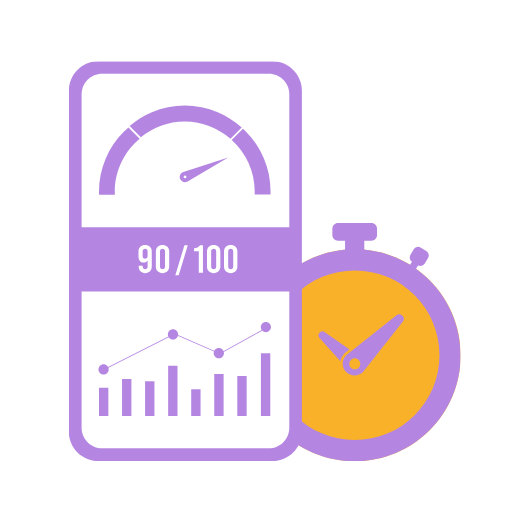
Prioritization of above-the-fold content to improve Core Web Vitals scores
With custom Shopify work, Opal Infotech enhances these fundamentals, ensuring the entire mobile journey—from homepage to post-purchase—is seamless, responsive, and aligned with modern expectations.
Optimizing for Google and Mobile SEO
Mobile-friendliness directly affects search rankings. Google uses mobile-first indexing, meaning your site’s mobile experience determines how well it ranks.
Opal Infotech ensures your Shopify website design complies with Core Web Vitals, accessibility standards, and loading benchmarks that drive both SEO and conversions.
Retail Shopify Store Optimization and Continuous Growth
A well-launched Shopify store is not the end—it’s the beginning. To remain competitive, drive consistent revenue, and improve customer retention, retailers must prioritize retail Shopify store optimization as an ongoing discipline.
Optimization involves refining everything from performance and SEO to UX and marketing automation.
Data-Driven Improvements
Post-launch analytics reveal where your store is strong—and where it needs work. Shopify’s built-in analytics, paired with Google Analytics and tools like Hotjar, can track:

High-exit pages

Checkout abandonment

Heatmaps of user activity

Conversion funnel leaks
These insights allow Opal Infotech to conduct iterative improvements, from layout adjustments to content reorganizations.
Continuous SEO Enhancements
Search algorithms evolve regularly. Maintaining search visibility requires:
Opal Infotech incorporates SEO audits into monthly optimization workflows to ensure long-term ranking strength.
Conversion Rate Optimization (CRO)
With A/B testing, Opal Infotech measures which product layouts, CTA buttons, or promotion placements yield better results. Small changes—like button color or image order—can lead to significant performance gains over time.

App Performance and Maintenance
Apps enhance functionality but can slow your site if left unchecked. Opal Infotech regularly reviews, updates, or replaces Shopify apps to ensure:

Conclusion and Call-to-Action
In the digital retail era, success is measured not only by product quality or pricing, but by the experience you deliver to your customers online. A well-designed Shopify store acts as a salesperson—educating, guiding, and converting with precision. Whether you’re starting fresh or reimagining your current e-commerce platform, your store’s design and optimization strategy will define your ability to grow, scale, and retain loyal customers.
Shopify offers the infrastructure; Opal Infotech brings the execution.
As specialists in Shopify retail website development, Opal Infotech delivers:
Now is the time to position your retail business for future-proof digital success. Whether you need a complete platform migration, a design overhaul, or strategic growth support, Opal Infotech is ready to help.
FAQs
Custom Shopify Store Design for Retail Businesses: Build, Scale & Optimize with Opal Infotech
Why should I choose Shopify for my retail business?
Shopify offers robust inventory tools, mobile-first themes, marketing integrations, and a powerful checkout experience tailored for retail.
Can Opal Infotech migrate my existing store to Shopify?
Yes. We manage complete platform migrations, ensuring no data loss and full SEO preservation.
What makes custom Shopify design better than using a theme?
<a href="https://www.opalinfotech.com/web-design/best-company" target="_blank">Custom website design</a> allows full control over layout, performance, and branding—helping retailers scale and stand out.
How does Opal Infotech handle post-launch support?
We offer optimization, updates, SEO management, CRO testing, and <a href="https://www.opalinfotech.com/mobile-app-development/mobile-app-maintenance" target="_blank">mobile app maintenance</a> for continued performance.
Is mobile optimization really that important for retail?
Yes. Over 70% of retail traffic is mobile. A mobile-optimized store increases engagement, conversions, and search visibility.

With a digital legacy established in 1998, the editorial team at Opal Infotech combines decades of experience with cutting-edge innovation. As a premier Web Development and Digital Marketing agency, we specialize in crafting robust digital solutions – ranging from Custom Web Development and eCommerce platforms to Mobile Apps and Business Website Design. Today, Opal Infotech is at the forefront of the technological shift, helping businesses integrate AI SEO and AI Business Solutions alongside traditional powerhouses like Google Ads and Website Maintenance. Our goal is to translate complex tech trends into actionable growth strategies for global enterprises.
We publish articles to empower business owners with the clarity needed to make informed decisions in a complex digital landscape. Our technical content is designed to demystify high-level innovations like AI and SEO, translating code into actionable business growth strategies.