



















A high bounce rate is a critical concern for business owners, industries, and eCommerce website operators worldwide. It signifies that visitors leave a site without interacting, leading to lost opportunities and diminished search engine rankings. Addressing this issue requires a collaborative approach between web development and digital marketing. This article explores how these disciplines can unite to reduce bounce rates, enhance user engagement, and improve overall website performance.
Understanding Bounce Rate
The bounce rate represents the percentage of visitors who navigate away from a website after viewing only one page. A high bounce rate often indicates that the site’s entrance page isn’t relevant or engaging enough to encourage further exploration. Factors contributing to high bounce rates include slow load times, poor design, irrelevant content, and confusing navigation.
The Impact of High Bounce Rates on Businesses
A high bounce rate can adversely affect a business in several ways:
- Reduced Conversions: Visitors leaving without interacting diminish potential sales or leads.
- Lower Search Engine Rankings: Search engines may interpret high bounce rates as a sign of low-quality content, impacting SEO services performance.
- Wasted Marketing Efforts: Investments in attracting visitors are squandered if users leave immediately.
Role of Web Development in Bounce Rate Reduction
Effective web development practices are crucial in creating a user-friendly environment that encourages engagement.
-
Responsive and Mobile Optimization
With a significant portion of web traffic coming from mobile devices, responsive design ensures a website adapts seamlessly to various screen sizes, enhancing user experience and reducing bounce rates.
-
Enhancing Page Load Speed
Slow-loading pages frustrate users, leading to higher bounce rates. Optimizing images, leveraging browser caching, and minimizing code can significantly improve load times.
-
Intuitive Site Architecture and Navigation
A well-structured site with clear navigation helps users find information effortlessly, encouraging them to explore more pages. Implementing a logical hierarchy and breadcrumb trails can enhance navigability.
-
Implementing Security Measures
Ensuring website security through regular updates, SSL certificates, and protection against malware builds trust with users, encouraging longer site visits.
Digital Marketing Strategies to Lower Bounce Rates
Digital marketing complements web development by attracting and retaining the right audience.
-
Targeted Keyword Research and Content Optimization
Identifying relevant keywords and creating high-quality content around them ensures that visitors find what they’re searching for, reducing bounce rates.
-
Effective On-Page and Off-Page SEO Techniques
On-page SEO involves optimizing elements like meta tags and headings, while off-page SEO focuses on building authority through backlinks and social signals. Both are essential for improving visibility and engagement.
-
Utilizing Analytics for Continuous Improvement
Regularly analyzing user behaviour through tools like Google Analytics helps identify pages with high bounce rates, allowing for targeted improvements.
-
Leveraging Backlink Building
Acquiring high-quality backlinks from reputable sites enhances credibility and drives targeted traffic, which is more likely to engage with the content.
Integrating Web Development and Digital Marketing Efforts
Collaboration between web developers and digital marketers ensures that technical enhancements align with marketing strategies. For instance, developers can create SEO-friendly website designs that marketers can optimize with targeted content, resulting in a cohesive approach to reducing bounce rates.


SEO-Friendly Design Principles That Support Engagement
In the current digital landscape, aesthetics alone are not sufficient. A truly effective website design incorporates search engine optimization (SEO) best practices from the ground up. An SEO-friendly design doesn’t just focus on visual appeal—it ensures that the site is discoverable, accessible, and designed to convert.
First and foremost, an SEO-friendly design includes clean, semantic HTML5 code. This structure allows search engine crawlers to understand the hierarchy and relevance of content on your site. Proper use of header tags (H1-H6), alt attributes for images, and meta descriptions enhance visibility and contribute to a lower bounce rate.
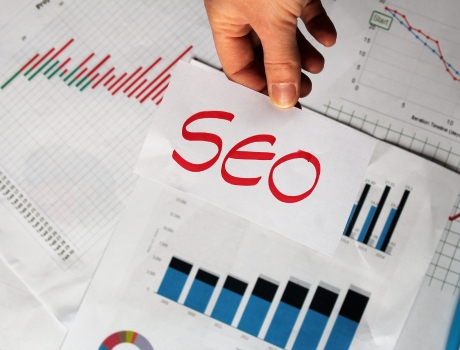

Secondly, internal linking plays a pivotal role. Thoughtfully placed internal links guide users to relevant sections of the website, improving site navigation and keeping visitors engaged longer. This directly impacts the bounce rate and helps spread link equity throughout your website.
Mobile responsiveness, covered earlier, is also a core principle of SEO design. However, other aspects like scalable vector graphics (SVGs), adaptive content blocks, and collapsible menus further improve the mobile experience, ensuring your site performs well regardless of device.
Another essential aspect is maintaining minimal distractions. Overloading pages with pop-ups, auto-play videos, or aggressive CTAs can increase bounce rates. Instead, a clean design with a logical visual flow encourages users to scroll and interact, which boosts session durations.
Accessibility is equally important. Web Content Accessibility Guidelines (WCAG) compliance ensures that users with disabilities can navigate your site easily. Search engines value accessibility, which is reflected in your search rankings.
In summary, integrating SEO principles into your website design ensures that both search engines and users have a frictionless, engaging experience—resulting in reduced bounce rates and improved conversions.

Website Optimization and Ongoing Maintenance

A well-optimized website is not a one-time project—it’s a continuous commitment. Ongoing maintenance directly impacts bounce rate, user experience, and SEO performance. Businesses that ignore this often find themselves struggling with outdated, buggy, or insecure websites that repel visitors.
Website optimization starts with performance. Speed is the foundation—Google recommends a load time of under 3 seconds. Strategies include implementing lazy loading for media files, compressing CSS and JavaScript, using CDN services, and optimizing server response times.
Security is the second pillar. Regularly applying security patches, installing SSL certificates, and conducting vulnerability scans are non-negotiable. A site that displays “Not Secure” warnings or suffers from downtime due to cyberattacks will see visitors bouncing off almost immediately.
Bug fixes are another critical factor. Broken links, form errors, or dysfunctional CTAs can frustrate users. These seemingly small issues send a signal that your website isn’t trustworthy or professionally managed. Regular audits help identify and fix these problems before they harm your bounce rate and SEO.


Plugin updates are vital for CMS-based websites like WordPress. Outdated plugins can slow down your site or introduce security risks. It’s best practice to review plugin compatibility and performance impacts before applying updates.
Lastly, website backups and uptime monitoring ensure your site remains online and recoverable in case of a server crash or breach. A business website that’s frequently down or unreliable will inevitably suffer from high bounce rates.
Ongoing optimization isn’t just technical—it’s a proactive strategy to keep your site competitive, user-friendly, and SEO-compliant.
Improving User Experience (UX) to Minimize Bounce
User experience (UX) is a cornerstone of bounce rate reduction. If visitors land on your site and find it difficult to navigate, confusing to use, or unpleasant to engage with, they will leave—fast. Exceptional UX encourages users to stay longer, interact more, and convert effectively.
The foundation of good UX is site architecture. A logical, intuitive hierarchy helps users find information quickly. Each page should serve a specific purpose and offer clear next steps, such as links to related content or calls to action that drive engagement.


Another crucial aspect is readability. Content should be well-organized, scannable, and written in a tone that matches your audience. Using bullet points, headers, and white space makes content more digestible. Fonts should be legible, and colours should align with accessibility standards.
Navigation menus should be easy to locate and logically categorized. Sticky headers, dropdowns, and search functionalities enhance usability, especially on large sites with deep content repositories.
Additionally, incorporating interactive elements—like calculators, sliders, or chatbots—can boost user engagement. However, these must be carefully balanced to avoid performance issues or user distractions.
Don’t overlook the power of feedback mechanisms. Simple surveys or feedback buttons help you understand what users are struggling with, allowing you to refine UX continuously.
Analytics platforms like Hotjar or Google Analytics provide heatmaps and behaviour flow reports that offer insights into user patterns. These insights help you optimize layout, button placement, and content flow.
Excellent UX isn’t just about aesthetics—it’s about removing friction at every user touchpoint, guiding them toward meaningful interaction with your business.

Let’s Chat

What Our Customers Say
“We worked with Opal Infotech almost for one year for different projects like Magento website design and all related functional extensions and even different server management and so on…. We are really impressed with their jobs. Excellent knowledgeable support and live communication made Opal Infotech to be different than other software companies. We definitely recommend this company for any software development.”
Alex Lahijani – Canada
“Excellent One Stop Web Solutions with all services under one roof. Apart from being Google Partners, Opal Infotech provides all basic and advance services like SEO based Website design, Mobile app development & Digital/SM Marketting as well. The Services are prompt & Value for money, additionally the Staff is understanding, cooperative and patient enough to give you round the clock support. All and all the First Choice for people who are trying to develop their system by themselves, do what you do best, leave the rest on Opal Infotech.”
NLP Ashish Nagar – India
Page Load Speed: The Silent Bounce Rate Killer
Page load speed is one of the most underestimated factors influencing bounce rate and SEO. In a digital world where users expect instant gratification, every second counts. According to Google, a delay of just one second in page response can result in a 7% reduction in conversions.
Speed optimization begins at the hosting level. Investing in a reliable hosting provider with robust server management is essential. Consider dedicated or cloud hosting options that offer better performance compared to shared hosting environments.
Next, leverage caching mechanisms such as browser caching and server-side caching. These reduce server load and speed up content delivery to repeat visitors.
Another technique is minimizing HTTP requests. Each asset on a webpage—images, scripts, stylesheets—adds to load time. Combining files, reducing redirects, and eliminating unnecessary plugins or scripts can significantly boost speed.

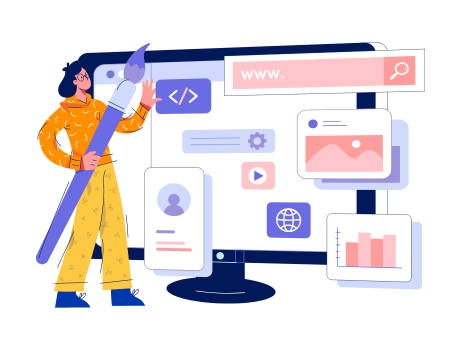
Image optimization is critical as well. Use modern formats like WebP, compress images without sacrificing quality, and implement responsive images to deliver different sizes based on device types.
Utilizing a Content Delivery Network (CDN) helps serve your website faster to users across different geographical locations by caching content at multiple data centers.
Don’t forget about lazy loading, which delays loading non-critical elements (like images and videos) until the user scrolls down. This ensures that initial content loads quickly, keeping users engaged from the get-go.
Lastly, tools like Google PageSpeed Insights and GTmetrix can pinpoint performance issues and offer suggestions for improvement.
Page speed is no longer just a technical concern—it’s a vital aspect of SEO and bounce rate management that directly impacts user satisfaction and profitability.
Conversion Rate Optimization Through SEO Integration
Conversion Rate Optimization (CRO) and SEO are deeply interconnected. A site optimized for search engines must also be primed to convert visitors once they arrive. Failing to align the two strategies results in traffic that doesn’t engage—a recipe for high bounce rates.
Start by aligning search intent with landing page content. If a user searches for “best CRM software for small business” and lands on a page discussing general CRM history, they’ll bounce. The content must directly answer their query, match the keyword intent, and offer clear next steps.
Incorporating conversion-focused SEO strategies like schema markup, rich snippets, and localized landing pages helps target users who are closer to making a decision. These elements not only improve visibility in SERPs but also enhance click-through and engagement rates.
A/B testing different SEO-driven content layouts can identify which formats generate more conversions. For example, experimenting with the placement of CTAs, trust signals like testimonials or interactive elements can yield valuable insights.

Incorporate conversion triggers such as urgency messages, limited-time offers, and easy-to-complete forms. Reducing form fields and improving CTA clarity often results in higher engagement.
Ensure all landing pages are mobile-optimized, fast-loading, and visually appealing—otherwise, SEO traffic may not convert. Moreover, use exit-intent popups sparingly to offer discounts or lead magnets before a user leaves.
Finally, track everything. Use Google Tag Manager, enhanced eCommerce tracking, and goal funnels in Google Analytics to monitor how SEO traffic behaves and converts.
When SEO is executed with conversion in mind, every visitor has a smoother path to take meaningful action, reducing bounce and increasing revenue.
Leveraging Technical SEO to Enhance Website Performance
Technical SEO serves as the foundation upon which all other SEO strategies are built. While it operates behind the scenes, its impact on bounce rate and organic performance is monumental. A site with poor technical SEO will inevitably drive users away due to broken functionality or slow responsiveness.
First and foremost is indexability. If search engines can’t crawl or index your pages properly, they won’t appear in search results. This not only hurts traffic but also impairs user flow when links lead to non-existent or broken pages (404 errors), contributing to higher bounce rates. Regular site audits using tools like Screaming Frog or SEMrush can identify such issues early.
Canonical tags and duplicate content control are also crucial. If the same content exists at multiple URLs without proper canonicalization, search engines might penalize the site, or users might be served irrelevant versions of pages. This causes confusion and a poor user experience.

Next is structured data (schema markup). Adding schema allows search engines to display rich snippets (like FAQs, star ratings, or events) in search results. These enhancements increase visibility and CTR, which in turn improves dwell time and reduces bounce.
Technical SEO also encompasses XML sitemaps, robots.txt files, and HTTPS protocols—all of which signal to Google that the site is secure, structured, and trustworthy.
Mobile usability is another technical criterion. Tools like Google’s Mobile-Friendly Test can identify design flaws that affect mobile users. Given the rise in mobile traffic, these technical barriers can’t be ignored.
A healthy, technically sound website retains users longer, ranks higher, and converts better—all of which are vital in the quest to reduce bounce rates and increase profitability.
Site Architecture: Building a Logical Flow That Engages Users
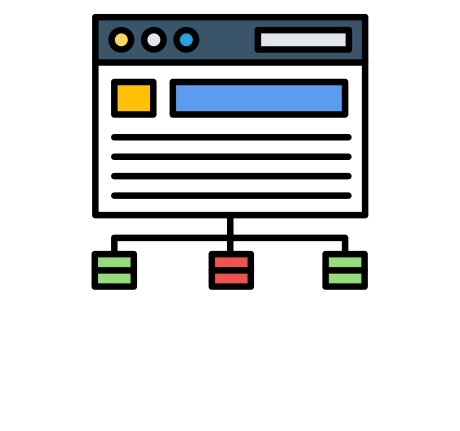
Site architecture is more than just how pages are linked—it’s the strategic blueprint for guiding visitors through your site in a way that feels intuitive and valuable. A strong architecture reduces bounce rates by ensuring users can find what they’re looking for effortlessly.
At the core of good architecture is the three-click rule: users should be able to reach any piece of content within three clicks from the homepage. Achieving this involves categorizing pages by topic, relevance, and user intent, and linking them accordingly through menus, footers, and in-content navigation.

Breadcrumb navigation is another key component. These clickable paths show users where they are within the site hierarchy, making it easy to backtrack or explore related areas. They improve user experience and enhance crawlability, giving SEO an extra boost.
Category and tag structures, especially in eCommerce website designing, must be optimized for both users and search engines. Misused or overly complex taxonomies can confuse users and dilute link equity, driving bounce rates higher.

The internal linking strategy should focus on contextual relevance. For example, linking blog posts to related services or products not only keeps users engaged but also nurtures them through the buyer journey.
Moreover, a well-planned site architecture distributes page authority across your domain. High-performing pages pass SEO juice to others through links, lifting overall visibility.

Visual sitemap tools like Lucidchart or GlooMaps can help plan and refine architecture. The result is a site that feels natural to navigate, keeping users engaged longer and significantly lowering bounce.
Mobile Optimization: Essential for Modern User Retention
Mobile optimization is not optional—it’s essential. With more than half of global web traffic coming from mobile devices, a site that isn’t mobile-friendly is effectively ignoring the majority of its users. The impact on bounce rate and conversions is severe if mobile performance is subpar.
The cornerstone of mobile optimization is responsive design. It ensures your website adapts seamlessly to different screen sizes, orientations, and resolutions. Fonts, buttons, and media must scale properly without requiring users to zoom or scroll awkwardly.
Touchscreen usability is another critical factor. Buttons must be adequately sized and spaced to prevent accidental clicks. Forms should use mobile-friendly input fields like date pickers and number pads, improving form completion rates.
Mobile page speed is even more crucial than desktop. Elements like AMP (Accelerated Mobile Pages), image compression, and minimalistic design can drastically improve load times, reducing abandonment.

Google’s mobile-first indexing makes this a top priority. Sites are now ranked primarily based on their mobile version, not desktop. If your mobile version is lacking, you’re already losing out on rankings, traffic, and engagement.
Implementing mobile-friendly navigation, such as collapsible menus and sticky headers, improves browsing efficiency. Sticky CTAs and chat widgets optimized for mobile enhance usability without clutter.
Finally, regular testing with tools like BrowserStack or Google Search Console’s Mobile Usability Report ensures your optimizations are effective and up to date.
In essence, mobile optimization is a non-negotiable pillar of bounce rate reduction. Businesses that embrace it enjoy improved engagement, higher rankings, and better ROI.
Visual Redesign: Balancing Aesthetics with Performance
- Aesthetic appeal plays a subtle yet powerful role in how users interact with your site. First impressions are formed in milliseconds, and if your design is outdated, cluttered, or visually unappealing, visitors are likely to bounce before they even read the first headline.
- Images and media should be high-resolution but optimized for fast delivery. Embedding videos with lazy loading and using next-gen image formats like WebP can deliver visual punch without harming load speed.
- A successful visual redesign focuses on alignment with modern design trends without sacrificing usability. Minimalism, white space, clean fonts, and strong visual hierarchy are key principles that guide the user’s eye and encourage deeper exploration.
- Typography also plays a role in bounce rates. Fonts should be legible on all devices, with ample spacing and contrast. Poor font choices can fatigue the reader, leading to premature exits.
- Colour schemes must reflect your brand identity and evoke the right emotional responses. Poor contrast or inconsistent palettes create a jarring experience that can push users away.
- Moreover, the layout should cater to visual scanning. Users often skim rather than read—emphasize key points with bold text, icons, and infographics to convey information quickly.
- More than just static visuals, motion design—like subtle animations, hover effects, and transition states—can add a layer of interactivity that makes the site feel dynamic. However, these must be used judiciously to avoid performance bottlenecks.
- A well-executed visual redesign supports both aesthetics and performance, leading to higher user satisfaction, longer session durations, and improved conversion rates.
Digital Marketing and Development Alignment for Long-Term Success
True bounce rate reduction comes from a holistic approach where digital marketing and development teams work in harmony—not in silos. When strategies are integrated, each initiative supports the other, delivering exponential benefits.
For instance, marketers may identify high-performing keywords, but without developer input, these insights might not be implemented correctly on landing pages. Developers, on the other hand, might optimize for speed and security, but without marketing, user engagement could fall short.
Alignment starts with shared goals. Both teams should operate from a single roadmap that prioritizes user retention, search visibility, and lead generation. Regular meetings, joint KPIs, and shared analytics dashboards foster collaboration and accountability.

Implementing structured workflows like Agile sprints can ensure continuous updates and iterative improvements based on real-time performance data.
Another vital aspect is cross-training. Developers should understand basic SEO and UX principles, while marketers should grasp technical limitations and development cycles. This mutual understanding builds respect and improves execution.
Incorporating user feedback into both marketing content and technical fixes is a powerful loop. If users report confusing layouts or unclear messaging, both teams can collaborate on a unified solution.
By uniting creative and technical forces, your website becomes a growth engine—optimized for search engines, attractive to users, and constantly evolving to meet business goals.

Real Feedback, Real Results
“Great job by Opal Infotech. I cannot describe my satisfaction level with Opal Infotech, as my business dimensions have completely changed after hiring Opal Infotech Services. Opal Infotech has developed my website & are also doing SEO. They are simply the best. I strongly recommend this company for Website Design and SEO Services.”
Drashti Packaging – flexiblepackagingmaterial.com – India
“I have worked with Opal extensively on site design and SEO/SMO since early 2010. I have also referred people i know to them and they have been very happy with the work. I find them very professional and cost competitive. I would not hesitate to provide a positive reference for them.”
Microcap – microcap.com – CANADA
Conclusion
In today’s hyper-competitive digital environment, reducing bounce rate is not merely a vanity metric—it is a foundational step toward achieving real business growth. Whether you’re a business owner, an eCommerce operator, or a digital marketer, your website is the primary touchpoint for most potential customers. If they arrive and leave without engaging, your investment in web presence is essentially being wasted.
This is why aligning web development and digital marketing is mission-critical. From improving SEO strategies and leveraging keyword research to perfecting on-page SEO, executing a smart content optimization plan, and ensuring bulletproof technical support and site performance, these elements must all work together.
Let’s not forget the backend essentials—security patches, bug fixes, plugin updates, and uptime monitoring. These technical areas form the scaffolding that keeps your website functional, reliable, and resilient. Combined with intelligent SEO integration, visually appealing responsive design, and enhanced user experience (UX), your website will become a fully optimized asset—capable of attracting, retaining, and converting traffic.
Moreover, strategies like conversion rate optimization, mobile optimization, SEO-friendly design, and site architecture ensure long-term success and a lower bounce rate. The outcome? A faster, more engaging site that ranks higher on Google and turns visitors into leads.
Whether you’re planning a complete website revamp, considering a visual redesign, or simply aiming to generate more organic traffic, now is the time to bridge the gap between development and marketing. Your bottom line will thank you.
Note:-
You can visit page Shopify website design and development for eCommerce website.
You can visit our page on eCommerce website maintenance to learn how Opal Infotech keeps your online
store running smoothly and securely.
FAQs
Bounce Rate Reduction: How Web Development and Digital Marketing Can Work Together
How do web development and digital marketing complement each other?
Web development ensures your website is fast, secure, and user-friendly, while digital marketing brings in targeted traffic through SEO, content, and analytics. Together, they create a seamless user experience that drives engagement and conversions.
Why is reducing bounce rate important for SEO?
A high bounce rate tells search engines that users aren’t finding your content helpful or relevant. This can hurt your search rankings and reduce the visibility of your website on Google.
What role does page speed play in bounce rate?
If your website loads slowly, users may leave before it even finishes loading. Faster websites keep visitors engaged, which lowers bounce rates and increases the chances of conversions.
How often should a business perform website maintenance?
Website maintenance should be done at least once a month. This includes tasks like updates, backups, fixing bugs, checking for performance issues, and applying security patches.
Can a website redesign improve bounce rate?
Yes. A well-planned redesign can improve mobile responsiveness, site navigation, and visual appeal—all of which can make users stay longer and interact more, reducing your bounce rate.
About the Author – Opal Infotech
Opal Infotech is a globally recognized digital solutions provider, delivering a full spectrum of web development, SEO, and digital marketing services tailored to the needs of businesses, industries, and eCommerce brands worldwide. With over two decades of proven expertise, Opal Infotech has built a reputation for innovation, precision, and measurable results.
Our team comprises experienced professionals in web design, search engine optimization, technical support, and online brand strategy. We specialize in creating responsive, SEO-friendly websites that not only look impressive but also perform seamlessly across all devices. Our SEO services are data-driven and ROI-focused, encompassing keyword research, on-page and off-page optimization, backlink building, content strategy, and local SEO.
In addition to SEO and web development, we offer comprehensive website maintenance services, including regular updates, bug fixes, security patches, uptime monitoring, plugin updates, and server management—ensuring optimal site performance around the clock.
What sets us apart is our ability to align web development with digital marketing to drive traffic, reduce bounce rate, and convert visitors into customers. Whether it’s a website revamp or a complete digital transformation, Opal Infotech delivers scalable solutions that elevate your online presence and accelerate business growth.

With a digital legacy established in 1998, the editorial team at Opal Infotech combines decades of experience with cutting-edge innovation. As a premier Web Development and Digital Marketing agency, we specialize in crafting robust digital solutions – ranging from Custom Web Development and eCommerce platforms to Mobile Apps and Business Website Design. Today, Opal Infotech is at the forefront of the technological shift, helping businesses integrate AI SEO and AI Business Solutions alongside traditional powerhouses like Google Ads and Website Maintenance. Our goal is to translate complex tech trends into actionable growth strategies for global enterprises.
We publish articles to empower business owners with the clarity needed to make informed decisions in a complex digital landscape. Our technical content is designed to demystify high-level innovations like AI and SEO, translating code into actionable business growth strategies.