


















Organizations across manufacturing, healthcare, eCommerce, and enterprise sectors are increasingly facing challenges in maintaining consistent workforce training, managing evolving SOPs, and preserving critical internal knowledge. With the rise of Artificial Intelligence, Generative AI, and advanced workforce automation technologies, businesses are moving toward intelligent systems that can deliver real-time learning and knowledge support.
An Agentic AI is an intelligent automation solution designed to streamline employee training, onboarding, and knowledge management by using Natural Language Processing and conversational AI to deliver context-aware guidance. Traditional training models often struggle with onboarding delays, knowledge loss, and fragmented learning resources, creating inefficiencies that slow operational growth.
By introducing AI-powered knowledge bases and enterprise training automation, organizations can transform static learning into continuous, interactive workforce development. Companies adopting advanced AI-driven solutions, including those implemented by Opal Infotech, are leveraging intelligent automation to modernize corporate training ecosystems.
This article explores how AI agents are reshaping workforce learning, enabling digital transformation, and supporting scalable knowledge management strategies for future-ready enterprises.


What is an Agentic AI?
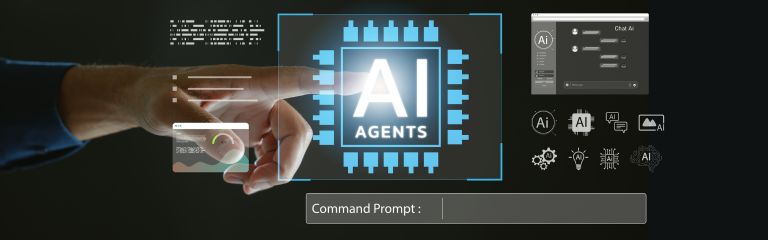
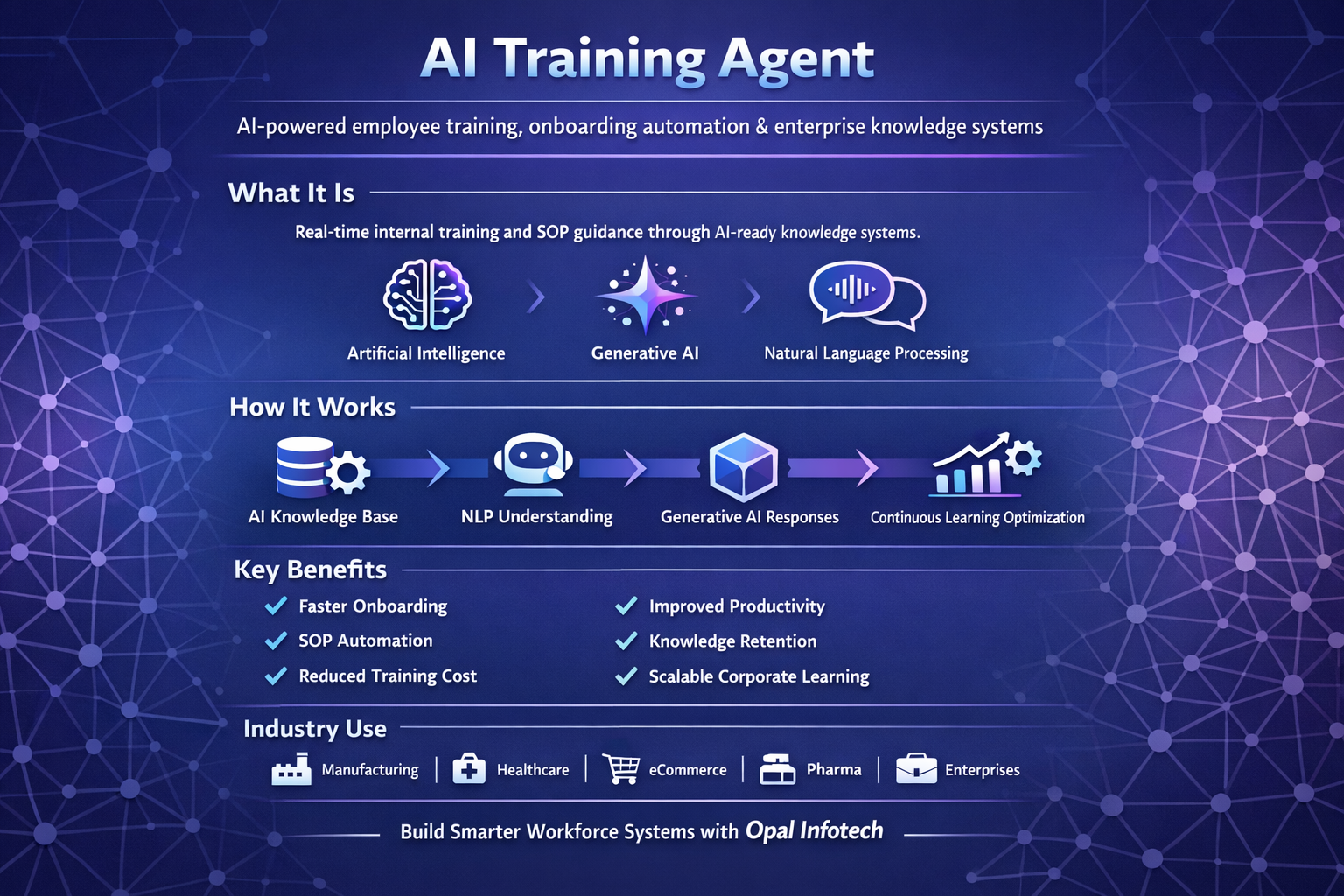
An Agentic AI is an enterprise-grade workforce automation system that uses Artificial Intelligence, Generative AI, and Natural Language Processing to deliver real-time employee training, onboarding support, and structured knowledge management across an organization.
Unlike traditional training platforms that depend on static course modules or manual instruction, an Agentic AI functions as an intelligent internal assistant that understands context, interprets employee queries, and provides accurate guidance drawn from an AI-ready enterprise knowledge base.
Modern businesses operate in environments where processes evolve rapidly, compliance requirements change frequently, and workforce expansion demands faster onboarding. Traditional corporate training models often create bottlenecks due to fragmented documentation, inconsistent SOP interpretation, and dependency on senior staff for operational clarity.
An Agentic AI eliminates these inefficiencies by transforming company knowledge into a dynamic, conversational system that is accessible anytime across departments.
Agentic AI Powered by Artificial Intelligence and Natural Language Processing
At its core, an Agentic AI combines Machine Learning algorithms with Natural Language Processing to interpret employee questions in plain language and respond with contextual, task-specific guidance.
Instead of navigating lengthy manuals or searching through scattered internal documents, employees can interact with the system and receive structured answers aligned with company policies, technical workflows, or operational standards.
- Generative AI enhances this capability by enabling the system to deliver adaptive, human-like responses that evolve based on organizational data and usage patterns.
Over time, the AI model learns from interactions, improving accuracy, refining knowledge mapping, and supporting continuous workforce development. This transforms training from a one-time onboarding activity into an ongoing, intelligent learning ecosystem.
Agentic AI vs Traditional Corporate Training Systems
Traditional Learning Management Systems (LMS) typically rely on scheduled courses, static training modules, and predefined learning paths.
While effective for compliance tracking, they often lack contextual intelligence and real-time problem-solving capability. An Agentic AI moves beyond content delivery and becomes a live operational support system that employees can consult during actual work scenarios.
- Instead of passively consuming training material, employees actively engage with an intelligent system that provides on-demand assistance, reduces errors, accelerates onboarding timelines, and ensures consistent interpretation of standard operating procedures.
This shift from static instruction to conversational enterprise AI significantly enhances productivity, reduces training dependency on supervisors, and supports scalable corporate learning automation.
Core Technologies Behind an Agentic AI
An effective Agentic AI integrates multiple advanced technologies within a unified framework:
- Artificial Intelligence for intelligent reasoning and response generation
- Generative AI for adaptive, contextual training communication
- Machine Learning for continuous improvement and pattern recognition
- Natural Language Processing for conversational query understanding
- Enterprise Knowledge Bases for structured SOP, policy, and operational documentation
When implemented strategically, these technologies form a centralized AI knowledge management system that aligns with broader digital transformation initiatives. Organizations leveraging such systems are not simply improving training—they are building a resilient, scalable workforce intelligence infrastructure.
For enterprises seeking structured automation in internal learning and knowledge workflows, AI-driven solutions implemented by experienced partners like Opal Infotech provide the foundation for long-term operational efficiency and intelligent workforce growth.
Evolution of Workforce Training with Artificial Intelligence and Digital Transformation

Workforce training has evolved from classroom-based instruction and static documentation to intelligent, AI-powered knowledge ecosystems. As organizations accelerate their digital transformation initiatives, training is no longer viewed as a periodic compliance requirement but as a continuous operational function.
The integration of Artificial Intelligence, Machine Learning, and enterprise automation into corporate learning systems has redefined how employees acquire, retain, and apply knowledge. Businesses are now prioritizing adaptive training environments that respond to real-time queries, align with operational workflows, and scale alongside organizational growth.
From Static LMS to Generative AI Training Systems
Traditional Learning Management Systems (LMS) were designed primarily for structured course delivery, certification tracking, and compliance documentation. While effective for standardized learning modules, they often lack contextual intelligence and real-time responsiveness.
Generative AI training systems represent a significant advancement by transforming training content into interactive, adaptive knowledge frameworks. Instead of navigating predefined courses, employees can engage with intelligent systems that interpret questions, analyze intent, and generate contextual guidance.
This shift from static course consumption to dynamic AI-driven learning enhances engagement, accelerates onboarding, and reduces operational friction.
Rise of Conversational Enterprise AI in Corporate Training
Conversational enterprise AI has introduced a new paradigm in corporate learning by enabling natural language interaction between employees and digital systems.
Powered by Natural Language Processing, these systems understand queries in everyday language and provide precise, workflow-aligned responses. This conversational model improves knowledge accessibility, particularly in fast-paced industries where quick decision-making is critical.
By embedding AI into training ecosystems, organizations create an environment where learning becomes integrated with daily operations rather than separated from them.
Workforce Automation and AI Learning Platforms
The convergence of workforce automation and AI learning platforms has elevated training from a support function to a strategic business asset. AI-powered training agents now integrate with enterprise knowledge bases, CRM systems, ERP platforms, and internal documentation to deliver consistent, organization-wide learning experiences.
This integration supports scalable corporate training automation, reduces dependency on manual instruction, and strengthens knowledge continuity across departments.
As digital transformation reshapes enterprise operations, AI-driven workforce training systems are emerging as foundational infrastructure for intelligent business growth.
Workforce Training Challenges: Why Traditional Employee Training Systems Are Failing

Despite significant investments in corporate training programs, many organizations continue to struggle with inconsistent knowledge transfer, prolonged onboarding cycles, and operational inefficiencies. Traditional employee training systems were designed for structured instruction, not dynamic business environments.
As companies expand across locations, diversify teams, and digitize operations, static learning frameworks often fail to keep pace with evolving processes and real-time decision-making demands. The result is fragmented knowledge distribution, overdependence on senior personnel, and increased risk of operational errors.
In high-growth industries such as manufacturing, healthcare, pharma, chemical processing, and eCommerce, these gaps directly impact productivity, compliance, and scalability.
Internal Knowledge Loss and SOP Training Gaps
- One of the most pressing workforce challenges is internal knowledge loss. Critical operational expertise often resides in experienced employees rather than centralized systems. When senior staff members leave, retire, or shift roles, organizations risk losing valuable process knowledge.
Standard Operating Procedures (SOPs) may exist in documentation, but static files and scattered resources rarely ensure consistent interpretation or application.
Without structured SOP training automation, employees may rely on informal guidance, leading to inconsistent execution and increased compliance risks. Over time, this creates knowledge silos that slow productivity and hinder organizational continuity.
Employee Onboarding Automation Challenges
- Rapid business expansion demands faster onboarding, yet traditional onboarding models remain manual and resource-intensive. New employees often depend on scheduled training sessions, supervisor-led instruction, or lengthy documentation review.
This slows integration into active roles and increases training costs. In distributed or multi-location enterprises, inconsistent onboarding experiences can further impact performance standards.
Without intelligent onboarding automation, organizations struggle to deliver personalized, role-specific guidance at scale, resulting in delayed productivity and increased operational strain.
Limitations of Static Corporate Learning Modules
- Static corporate learning modules, while useful for compliance tracking, are limited in adaptability and real-time responsiveness. Predefined courses and scheduled training sessions cannot address immediate, workflow-based questions that employees encounter during daily operations.
As business processes evolve, static modules quickly become outdated, requiring frequent manual updates. This reactive training model creates gaps between knowledge availability and operational need.
In contrast, modern enterprises require agile, AI-driven learning systems capable of delivering contextual support instantly—bridging the gap between training and execution.
Core Features of an Agentic AI as an Enterprise Knowledge Management System
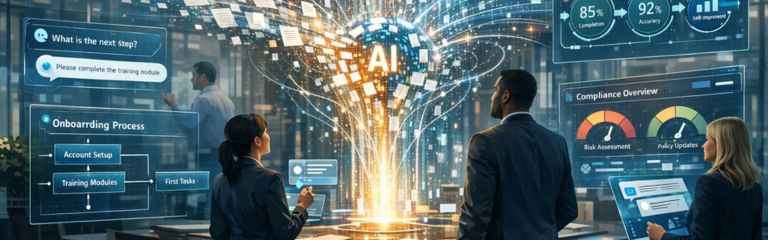
An Agentic AI is not a feature enhancement to existing training tools—it is an enterprise knowledge infrastructure layer that centralizes, standardizes, and automates workforce intelligence across the organization.
Built on Artificial Intelligence, Generative AI, and Natural Language Processing, it transforms fragmented documentation, SOPs, and operational data into a unified, AI-ready knowledge ecosystem.
Instead of relying on static content repositories or manual instruction cycles, businesses deploy an intelligent system that delivers structured, real-time guidance aligned with operational workflows.
AI Employee Training Automation
AI employee training automation eliminates dependency on repetitive classroom sessions and supervisor-led explanations. The system interprets employee queries, retrieves contextual SOPs, and provides immediate, task-specific responses.
This ensures consistent interpretation of procedures across departments and locations. By automating recurring training interactions, organizations reduce human bottlenecks, shorten learning curves, and establish scalable corporate training automation that grows alongside workforce expansion.
AI Internal Training Assistant Powered by Machine Learning
The AI internal training assistant leverages machine learning to continuously refine knowledge delivery. As employees interact with the system, it analyzes behavioral patterns, identifies common process gaps, and optimizes responses for accuracy and clarity.
This adaptive intelligence ensures the training framework evolves in parallel with policy updates, product changes, and compliance requirements. Rather than remaining static, the enterprise knowledge base becomes a living system that strengthens operational governance.
Conversational AI Knowledge Management System
Through conversational AI, employees access enterprise knowledge using natural language, removing friction from traditional documentation searches.
The system integrates SOP databases, compliance guidelines, technical manuals, and policy frameworks into a centralized intelligence layer.
This bridges the gap between documentation and execution, ensuring knowledge is actively applied within real-time business operations.
AI Onboarding Assistant
The AI onboarding assistant standardizes workforce integration by delivering role-specific, guided learning pathways from day one.
By automating onboarding workflows, organizations ensure consistency across locations, reduce managerial overhead, and accelerate productivity—establishing intelligent training automation as a foundational component of digital transformation strategy.
How Does an AI Agent Work?
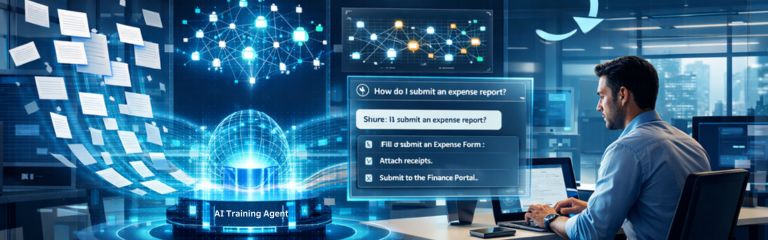
An AI Agent operates through a structured enterprise architecture that transforms fragmented organizational knowledge into governed, real-time workforce intelligence.
Rather than functioning as a simple query-response tool, it follows a multi-layered process that ensures knowledge accuracy, contextual understanding, compliance alignment, and continuous optimization.
This engineered framework allows businesses to deploy scalable training automation without compromising operational control.
Step 1: Building an AI-Ready Knowledge Base
The process begins by structuring enterprise documentation into a centralized, AI-ready knowledge architecture.
Standard Operating Procedures, policy frameworks, compliance guidelines, product documentation, and operational workflows are organized into a governed knowledge base.
This structured layer eliminates duplication, reduces ambiguity, and establishes a single source of truth. By converting static files into structured intelligence assets, organizations create the foundation for consistent workforce training automation.
Step 2: Natural Language Processing Understanding
Natural Language Processing (NLP) acts as the interpretation layer. When employees submit queries, the system analyzes semantic intent, contextual relevance, and role-specific parameters.
Unlike keyword-based search tools, NLP ensures an accurate understanding of operational questions, reducing misinterpretation risks and improving response precision across departments.
Step 3: Generative AI Response Engine
Once intent is identified, the Generative AI engine synthesizes verified information from the enterprise knowledge base and delivers structured, task-aligned guidance.
This response mechanism enforces SOP consistency, supports compliance adherence, and minimizes operational deviation. The system does not merely retrieve information—it contextualizes it within active workflows.
Step 4: Continuous Workforce Optimization
Machine Learning continuously evaluates interaction patterns, detects knowledge gaps, and refines response accuracy.
As processes evolve, the AI Agent adapts, ensuring training intelligence remains aligned with business strategy. This continuous optimization transforms workforce training into a governed, scalable, and future-ready enterprise capability.
Key Benefits of AI Training Automation for Modern Enterprises

AI training automation delivers measurable business impact by transforming workforce learning into a strategic performance accelerator. Rather than functioning as a supplementary training tool, an Agentic AI strengthens operational governance, reduces inefficiencies, and ensures scalable knowledge distribution across the enterprise. By embedding Artificial Intelligence into corporate training systems, organizations shift from reactive instruction to proactive workforce intelligence management.
Faster Employee Onboarding:
Accelerated onboarding directly influences productivity and cost efficiency.
AI-driven onboarding automation enables new employees to access structured, role-specific guidance immediately—eliminating delays caused by manual instruction cycles.
By reducing time-to-productivity and minimizing supervisory dependency, enterprises optimize training investments and enhance early-stage workforce performance.
Consistent SOP Training:
Inconsistent interpretation of Standard Operating Procedures can lead to operational deviation, compliance risk, and quality variation.
AI training automation enforces centralized SOP governance by delivering standardized, policy-aligned guidance across departments and locations.
This consistency strengthens regulatory adherence, reduces process errors, and protects organizational integrity—particularly in highly regulated industries.

Productivity Through Workforce Automation:
Real-time, contextual guidance eliminates recurring clarification cycles that consume managerial bandwidth.
Employees spend less time searching for information and more time executing tasks accurately.
This intelligent automation reduces operational interruptions, improves decision accuracy, and enhances cross-functional efficiency—directly contributing to performance optimization.
Scalable AI Learning Automation:
As organizations expand, traditional training frameworks struggle to scale proportionately.
AI learning automation supports workforce growth without increasing administrative complexity.
By maintaining knowledge continuity across locations and evolving processes, enterprises establish a resilient training infrastructure that supports long-term digital transformation and competitive advantage.

Let’s Chat

Industry Use Cases: Agentic AI Across Manufacturing, Healthcare, eCommerce, Pharma & Chemical Sectors
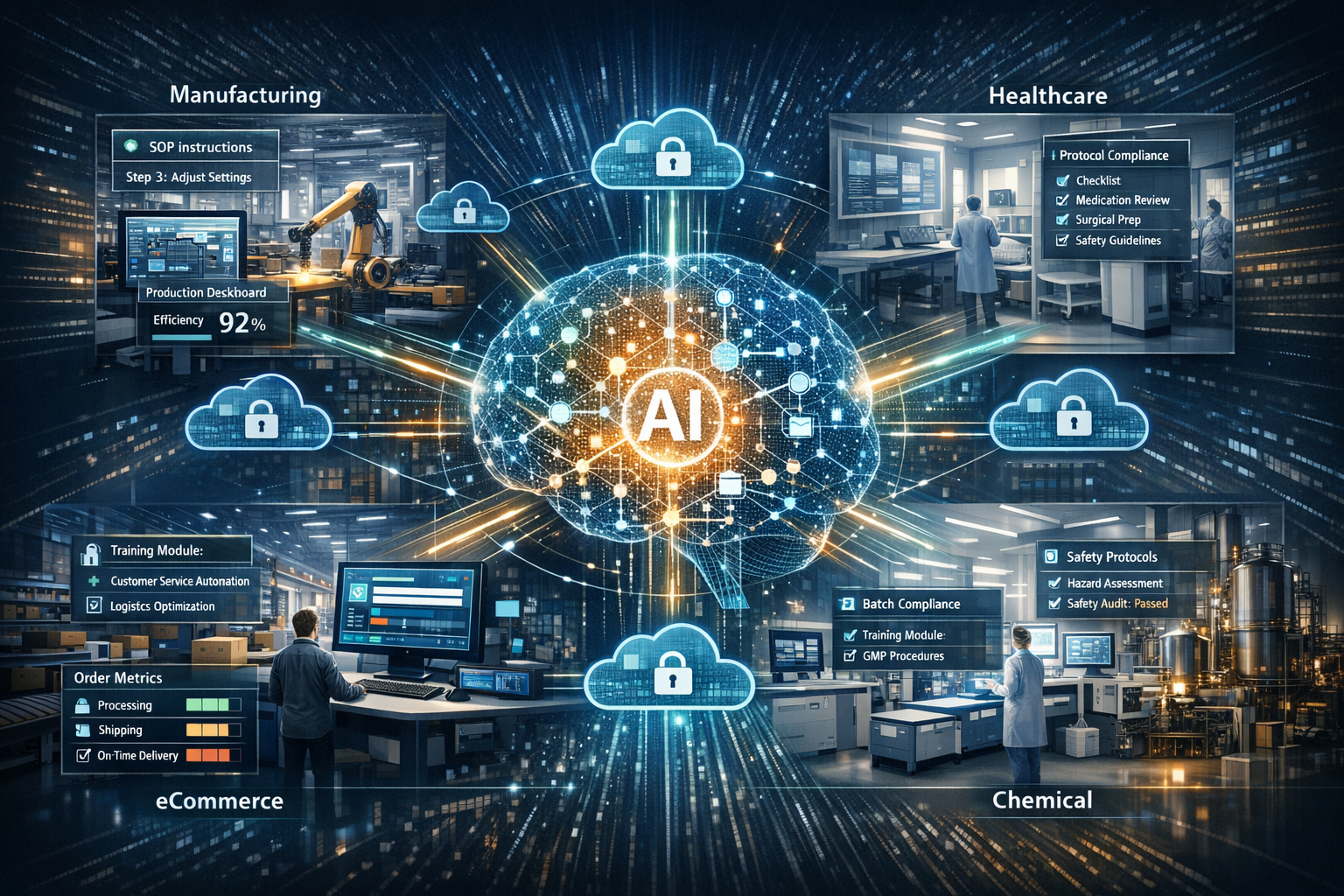
Agentic AI is most impactful when aligned with industry-specific operational demands. In B2B environments—particularly manufacturing, healthcare, pharma, chemical processing, and eCommerce—training complexity is directly tied to compliance requirements, technical precision, and workforce scalability.
By embedding Artificial Intelligence into enterprise knowledge systems, organizations across these sectors transform workforce training into a governed, real-time operational support framework.
AI Training for Manufacturing Teams
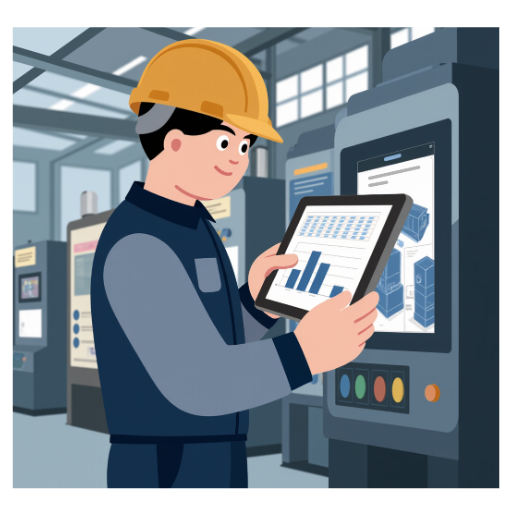
Manufacturing environments depend on strict adherence to Standard Operating Procedures, safety protocols, and equipment handling guidelines. Even minor deviations can result in production delays, material waste, or safety incidents.
An AI Agent enables shop-floor teams and supervisors to access real-time, SOP-aligned guidance during active operations. By centralizing process documentation and delivering contextual answers instantly, the system reduces errors, standardizes execution across shifts, and supports multi-location manufacturing consistency.
For industrial enterprises, this translates into improved productivity, reduced downtime, and stronger operational control.
AI Training for Healthcare Staff
In healthcare settings, training accuracy directly impacts patient safety and regulatory compliance. Clinical staff must stay aligned with evolving protocols, documentation standards, and procedural updates.
An AI Training Agent acts as a structured knowledge assistant, providing policy-aligned responses and standardized guidance across departments.
By minimizing ambiguity and ensuring consistent interpretation of care protocols, healthcare organizations strengthen compliance adherence while improving staff confidence and decision accuracy.
AI Onboarding for eCommerce Teams
Fast-growing eCommerce businesses face continuous onboarding demands across customer support, operations, inventory management, and digital marketing roles.
AI-driven onboarding automation enables new hires to receive role-specific training without overwhelming managerial resources.
Real-time guidance reduces repetitive queries, improves service consistency, and supports scalable workforce expansion—particularly during peak sales cycles or rapid growth phases.

AI Training for Pharma & Chemical Enterprises
Pharma and chemical industries operate within highly regulated environments requiring strict documentation, quality assurance, and safety compliance.
AI Training Agent centralize regulatory frameworks, SOPs, and technical data into a governed intelligence layer.
This ensures consistent process execution, reduces compliance risks, and strengthens audit readiness—making AI training automation a strategic safeguard for operational continuity and regulatory integrity.
AI Agent vs Traditional Learning Management Systems (LMS)
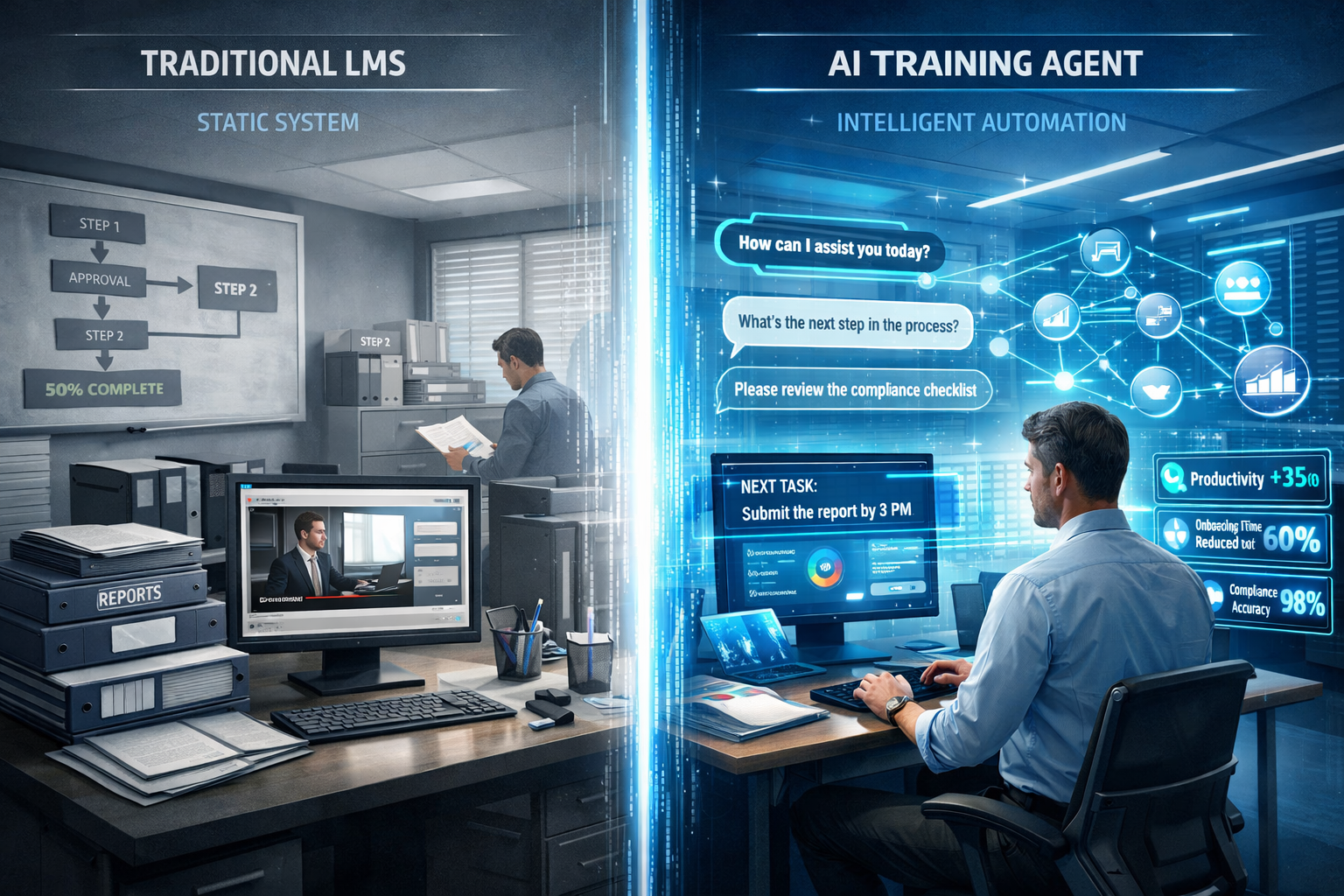
As organizations evaluate modern workforce training solutions, a critical comparison emerges between traditional Learning Management Systems (LMS) and AI Agents.
While LMS platforms were designed to manage course delivery and certification tracking, they were not built to provide real-time operational intelligence.
In contrast, AI Agents function as intelligent, adaptive systems that integrate directly into daily workflows—transforming training from scheduled instruction into continuous enterprise knowledge automation.
Static LMS vs Conversational AI Systems
Traditional LMS platforms rely on predefined learning paths, structured modules, and periodic assessments. While effective for compliance documentation, they lack contextual responsiveness. Employees must navigate static content repositories rather than receive immediate, workflow-aligned support.
Conversational AI systems powered by Natural Language Processing enable employees to ask questions in natural language and receive contextual, role-specific answers instantly. This shift from passive content consumption to interactive knowledge access significantly improves engagement and practical application.
.
Manual Course Modules vs AI Corporate Training Automation
Manual course modules require scheduled participation and ongoing administrative management. Updating content as processes evolve often demands time-intensive revisions.
AI corporate training automation, however, dynamically retrieves information from a structured knowledge base and adapts responses based on real-time context. This reduces manual maintenance overhead while ensuring training guidance remains aligned with current operational standards.
Enterprise Knowledge Intelligence vs Basic LMS
Basic LMS platforms store training content but do not transform it into actionable intelligence. An Agentic AI centralizes enterprise documentation, SOPs, and compliance frameworks into a governed intelligence layer.
By embedding Machine Learning and Generative AI, organizations gain scalable knowledge automation that supports operational consistency, compliance enforcement, and long-term digital transformation—far beyond the capabilities of conventional LMS systems.
Integration Possibilities: CRM, ERP, Websites, and Enterprise Ecosystems

An Agentic AI delivers full enterprise value when architected as part of an integrated digital ecosystem rather than deployed as a standalone solution.
Through structured API connectivity and secure data orchestration, the system integrates seamlessly with CRM platforms, ERP systems, intranet portals, HR software, and enterprise websites.
This ensures that training intelligence is aligned with real-time operational data, live workflows, and role-specific responsibilities—without disrupting existing infrastructure.
AI Internal Support Agent Integration:
When integrated within CRM and internal support environments, the Agentic AI functions as an intelligent internal assistant.
Sales, operations, and service teams can retrieve product documentation, policy guidelines, pricing structures, and communication frameworks directly within their working interface.
This reduces repetitive managerial intervention, standardizes internal responses, and improves cross-departmental consistency.
ERP and SOP Knowledge Automation:
ERP integration enables contextual SOP automation linked directly to operational processes such as procurement, inventory management, production workflows, and compliance tracking.
By synchronizing enterprise resource planning systems with a structured knowledge base, organizations enforce standardized execution while minimizing procedural deviation.
AI Training Within Digital Transformation Strategy:
Within a broader digital transformation strategy, the Agentic AI acts as a centralized intelligence layer connecting workforce training with enterprise systems.
Designed and implemented by experienced AI and web development partners like Opal Infotech, this integration ensures scalable deployment, governance alignment, and long-term operational resilience—positioning training automation as a foundational component of intelligent enterprise architecture.
Role of GEO and Answer Engine Optimization in AI Training Knowledge Systems
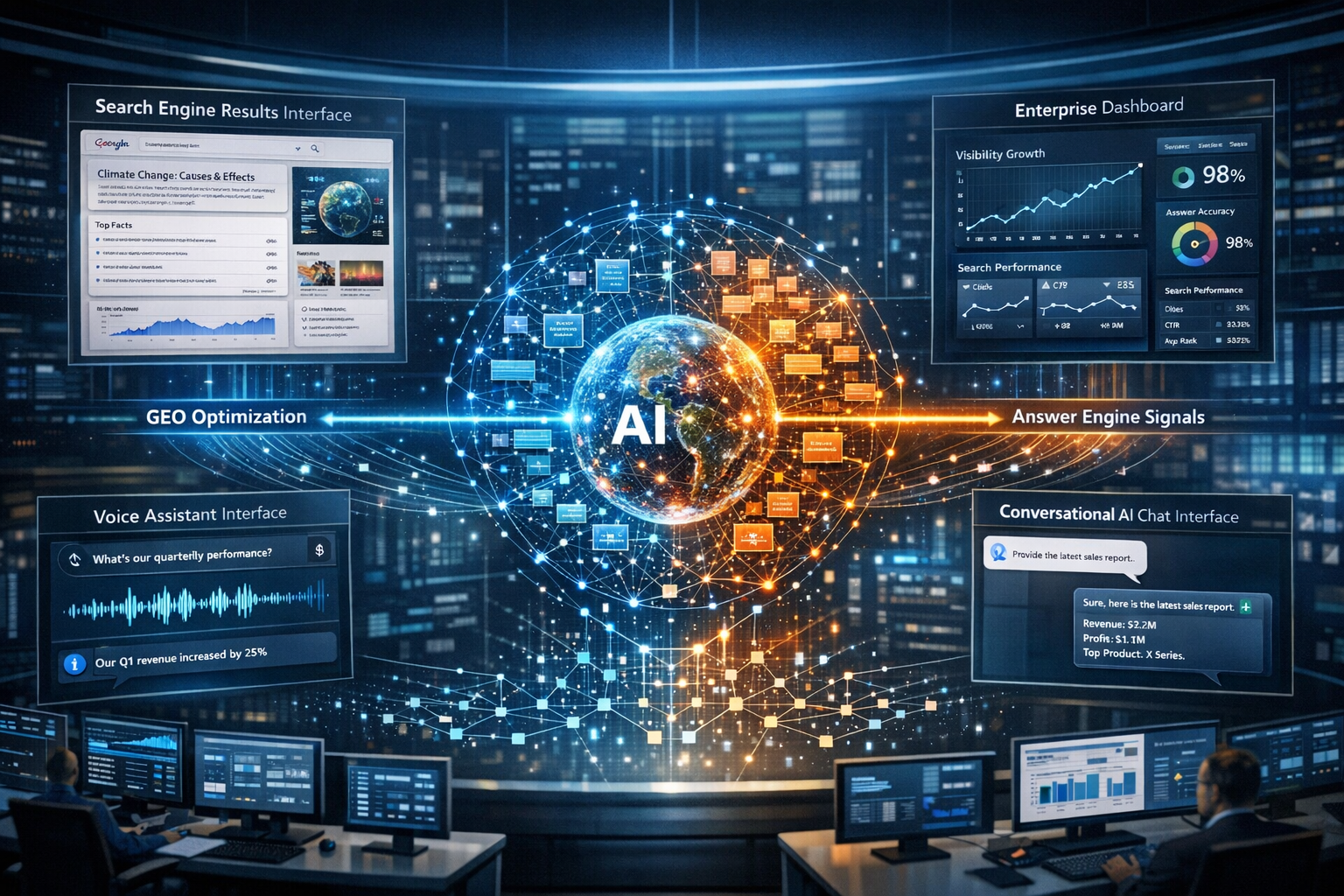
An AI Agent is only as powerful as the structure of the knowledge it relies on. Generative Engine Optimization (GEO) and Answer Engine Optimization (AEO) are critical architectural layers that determine how effectively Artificial Intelligence retrieves, interprets, and delivers enterprise knowledge.
Without structured, semantically organized documentation, even advanced AI systems risk inconsistent responses, incomplete guidance, or compliance misalignment. GEO ensures that internal knowledge is engineered for AI understanding—not merely stored for human reference.
AI-Ready Knowledge Bases
- An AI-ready knowledge base is built through structured taxonomy, contextual tagging, semantic mapping, and governed content hierarchy. Instead of fragmented PDFs and unstructured files, enterprise documentation is transformed into machine-readable intelligence.
This structured approach minimizes ambiguity, strengthens response accuracy, and reduces the risk of misinterpretation. GEO principles ensure that SOPs, compliance rules, and operational guidelines are optimized for reliable AI retrieval at scale.
Answer Engine Optimization Training
- Answer Engine Optimization(AEO) focuses on formatting corporate knowledge in direct, extractable response patterns. Within AI Training environments, AEO reduces ambiguity and enhances precision by structuring instructions in clear, authoritative formats. This significantly lowers the risk of inconsistent AI output and supports enterprise governance standards.
Structuring Corporate Knowledge for Voice Search
- As conversational AI interfaces become central to workforce interaction, internal knowledge must align with natural language query patterns. GEO-driven structuring enables accurate voice-style responses while preserving compliance integrity.
Organizations implementing Agentic AI with GEO expertise—such as those architected by Opal Infotech—gain a decisive advantage by combining AI deployment with structured knowledge intelligence, ensuring scalable, reliable, and future-ready enterprise automation.
Why Businesses Choose Opal Infotech for Agentic AI Development

Implementing an Agentic AI requires more than deploying an AI model—it demands structured knowledge engineering, enterprise integration capability, and long-term architectural vision.
Businesses choose Opal Infotech because the company approaches AI training automation as enterprise infrastructure, not as a standalone software feature.
Every deployment is designed around governance, scalability, and operational alignment, ensuring the AI system strengthens existing workflows rather than disrupting them.
Expertise in Artificial Intelligence and Workforce Automation
Opal Infotech combines deep expertise in Artificial Intelligence, Machine Learning, and Natural Language Processing with a practical workforce automation strategy.
The focus extends beyond response generation to structured knowledge architecture—designing AI-ready documentation layers, semantic mapping frameworks, and controlled integration pipelines.
This engineered approach ensures that Agentic AI deliver contextual accuracy, maintain compliance alignment, and evolve alongside business processes.
Enterprise AI Solutions for B2B Industries
With extensive experience serving manufacturing, healthcare, pharma, chemical, and other industrial sectors, Opal Infotech understands the operational complexity of compliance-driven enterprises. Agentic AI is architected to centralize SOP governance, reduce knowledge silos, and standardize guidance across multi-location organizations. This ensures measurable improvements in consistency, productivity, and risk mitigation.
GEO-Driven AI Systems for Future Search
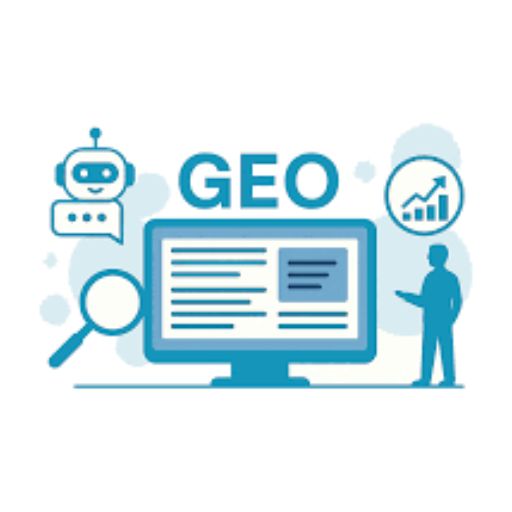
A defining differentiator is Opal Infotech’s leadership in Generative Engine Optimization. By structuring enterprise knowledge through GEO principles, AI systems are engineered for reliable retrieval, semantic precision, and scalable intelligence.
This integration of AI architecture and structured knowledge strategy positions businesses for resilient, future-ready automation in evolving AI-driven ecosystems.
Future Scope of AI Workforce Agents and Intelligent Corporate Training Systems

Enterprise workforce systems are rapidly evolving from static learning environments into intelligent, interconnected AI ecosystems.
The future of corporate training will not revolve around course delivery, but around adaptive workforce intelligence that continuously aligns employee capability with business strategy.
AI Agent represents the foundational layer of this transformation—enabling organizations to move toward predictive, automated, and self-optimizing knowledge infrastructures.

Emerging enterprise environments will deploy multiple specialized AI agents working collaboratively across departments—training, compliance, operations, and customer engagement.
These coordinated systems will synchronize knowledge updates, enforce governance standards, and deliver consistent guidance across global operations.
Multi-agent workforce automation will reduce organizational silos and create unified operational intelligence networks.
Advanced Machine Learning models will shift training from reactive correction to predictive optimization.
By identifying behavioral patterns, performance gaps, and workflow inefficiencies, AI systems will recommend targeted learning interventions before issues escalate—turning training into a strategic performance accelerator.
Future AI workforce agents will function as autonomous knowledge assistants capable of continuous adaptation and contextual reasoning. Enterprises that invest in structured AI architecture today position themselves for resilient, scalable, and future-ready digital transformation.

Strategic Conclusion: Building Smarter Organizations with Agentic AI
Agentic AI is no longer an experimental enhancement—it is emerging as foundational infrastructure for intelligent workforce management. As enterprises scale, diversify, and digitize operations, static training models cannot sustain the speed, compliance demands, and knowledge complexity required for modern performance.
By integrating Artificial Intelligence, structured enterprise knowledge architecture, and Generative Engine Optimization principles, organizations transform training into a governed, real-time intelligence layer embedded within daily workflows.
This shift moves workforce development from reactive instruction to proactive operational alignment—strengthening consistency, accelerating onboarding, and reducing institutional risk.
Enterprises that architect AI-ready knowledge ecosystems today position themselves for long-term resilience, scalable growth, and competitive advantage.
Implemented with structured design and strategic foresight, AI Agent becomes more than automation tools—they become the intelligence backbone of future-ready organizations.
FAQs
Agentic AI for Workforce Automation: Smarter Corporate Training and Knowledge Support
Who should use an Agentic AI—SMEs, enterprises, or both?
An Agentic AI is suitable for both SMEs and large enterprises. Small and mid-sized businesses benefit from automated onboarding, reduced training dependency on managers, and structured knowledge retention. Large enterprises leverage Agentic AI to standardize SOP training, enforce compliance across multiple locations, and scale workforce learning efficiently. Any organization experiencing rapid growth, high employee turnover, or process complexity can benefit from <a href="https://www.opalinfotech.com/blog/ai-driven-business-process-automation-unlock-efficiency-cost-savings-and-growth" target="_blank">AI-driven automation</a>.
What is an AI Agent, and how is it different from a traditional LMS?
An AI Training Agent is an intelligent workforce automation system powered by Artificial Intelligence, Natural Language Processing, and Generative AI that delivers real-time, contextual employee training. Unlike a traditional Learning Management System (LMS) that provides static course modules, an Agentic AI functions as a conversational knowledge assistant. It retrieves structured SOP guidance instantly and adapts to operational workflows, transforming training from passive learning into active performance support.
When should a company implement AI employee training automation?
A company should implement AI employee training automation when it experiences onboarding delays, inconsistent SOP interpretation, knowledge silos, or scaling challenges. It is particularly valuable during rapid expansion, digital transformation initiatives, multi-location growth, or compliance-intensive operations. Early implementation ensures knowledge governance before inefficiencies compound.
Where does an AI Agent retrieve its answers from?
An AI Agent retrieves responses from a centralized, AI-ready enterprise knowledge base. This typically includes Standard Operating Procedures, compliance documents, internal manuals, CRM data, ERP workflows, HR policies, and technical documentation. When structured using GEO principles, the system ensures consistent, accurate, and context-aware knowledge retrieval.
How does an Agentic AI work in real-time training environments?
An Agentic AI works by analyzing employee queries using Natural Language Processing, identifying intent, and retrieving structured information from an enterprise knowledge base. Generative AI then formulates contextual, workflow-aligned responses. Machine Learning continuously refines accuracy by analyzing interaction patterns, ensuring the system improves over time.
How much time can an AI Agent reduce in onboarding and training cycles?
AI Agent can significantly reduce onboarding time by providing immediate, role-specific guidance without waiting for scheduled sessions or supervisor availability. While results vary by industry, organizations often experience measurable reductions in training dependency, repetitive clarification cycles, and time-to-productivity.
How many departments can an AI Agent support within an organization?
An AI Agent can support multiple departments simultaneously, including HR, operations, manufacturing, sales, customer service, compliance, and technical support. Because it operates on a centralized knowledge architecture, it scales across teams without increasing administrative complexity.
Whose knowledge should be integrated into the AI-ready knowledge base?
The AI-ready knowledge base should include insights from senior operational staff, compliance officers, process managers, technical teams, and documented SOP frameworks. Capturing institutional knowledge before employee transition reduces knowledge loss and strengthens long-term workforce continuity.
Which industries benefit most from AI corporate training automation?
Industries that benefit most include manufacturing, healthcare, pharmaceuticals, chemical processing, logistics, and e-commerce. These sectors operate within structured processes and compliance-driven environments where consistent SOP execution and workforce scalability are critical. Agentic AI helps standardize training, reduce risk exposure, and improve operational efficiency across complex enterprise ecosystems.

With a digital legacy established in 1998, the editorial team at Opal Infotech combines decades of experience with cutting-edge innovation. As a premier Web Development and Digital Marketing agency, we specialize in crafting robust digital solutions – ranging from Custom Web Development and eCommerce platforms to Mobile Apps and Business Website Design. Today, Opal Infotech is at the forefront of the technological shift, helping businesses integrate AI SEO and AI Business Solutions alongside traditional powerhouses like Google Ads and Website Maintenance. Our goal is to translate complex tech trends into actionable growth strategies for global enterprises.
We publish articles to empower business owners with the clarity needed to make informed decisions in a complex digital landscape. Our technical content is designed to demystify high-level innovations like AI and SEO, translating code into actionable business growth strategies.